
Trademark registration is a legal process to protect brand names, logos, and other marks that distinguish goods or services in the marketplace. For MSMEs, trademark registration can provide several benefits:
Legal Protection: Registration provides exclusive rights to use the trademark in connection with the goods or services for which it is registered, helping protect the brand from infringement.
Brand Recognition: A registered trademark can help build brand recognition and loyalty among customers.
Market Advantage: Having a registered trademark can provide a competitive advantage in the marketplace, as it can prevent others from using similar marks.
Asset Value: A registered trademark can be considered an intangible asset of the business and may have value in the event of a sale or merger.
Global Protection: Trademark registration can be extended to other countries through international treaties, providing protection in multiple jurisdictions.
The process of trademark registration typically involves the following steps:
Trademark Search: Conduct a comprehensive search to ensure the proposed trademark is not already in use or registered by another party.
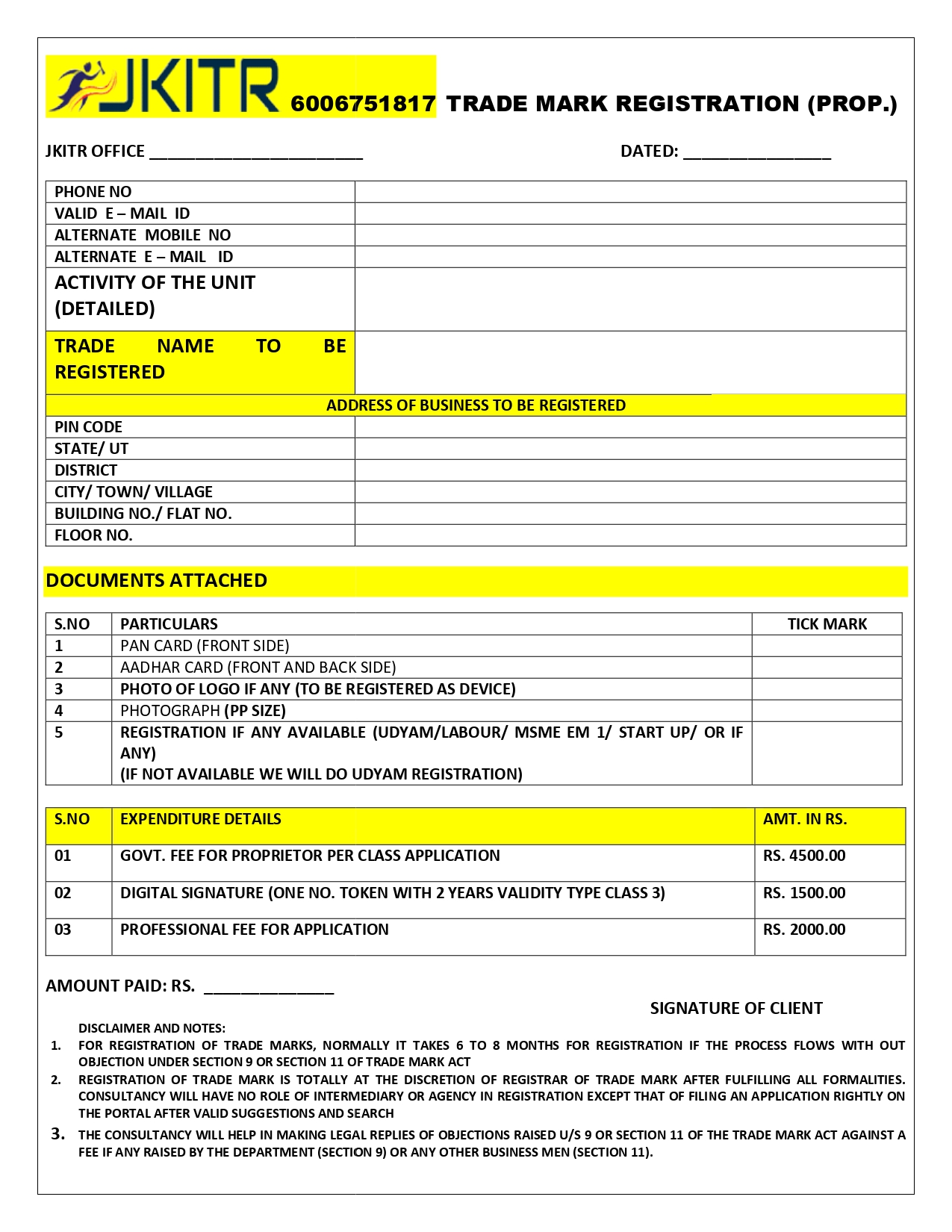
Filing Application: File a trademark application with the relevant intellectual property office, along with the required documents and fees.
Examination: The trademark office will examine the application to ensure it meets all legal requirements.
Publication: If the application is approved, the trademark will be published in the official trademark journal for a specified period, during which objections can be raised by third parties.
Registration: If no objections are raised, or if objections are successfully overcome, the trademark will be registered, and a registration certificate will be issued.
Renewal: Trademarks must be renewed periodically to maintain their protection, usually every 10 years.